Preventing Plumbing Nightmares: Essential Tips for Homeowners Before Winter Hits
While Canadian winters offer stunning scenery, they can also put your home’s plumbing at
risk. When the temperature falls, water in the pipes can freeze and expand, which may result
in cracking or bursting. These plumbing issues often result in expensive repairs and major
inconvenience. Fortunately, you can prevent most cold-weather plumbing problems by
taking proactive steps before the snow falls. This guide shares practical tips to help
homeowners avoid common winter plumbing disasters. From pipe insulation to sump pump
maintenance, here’s how to keep your plumbing system running smoothly all season long.
1. Wrap and Protect Exposed Pipes
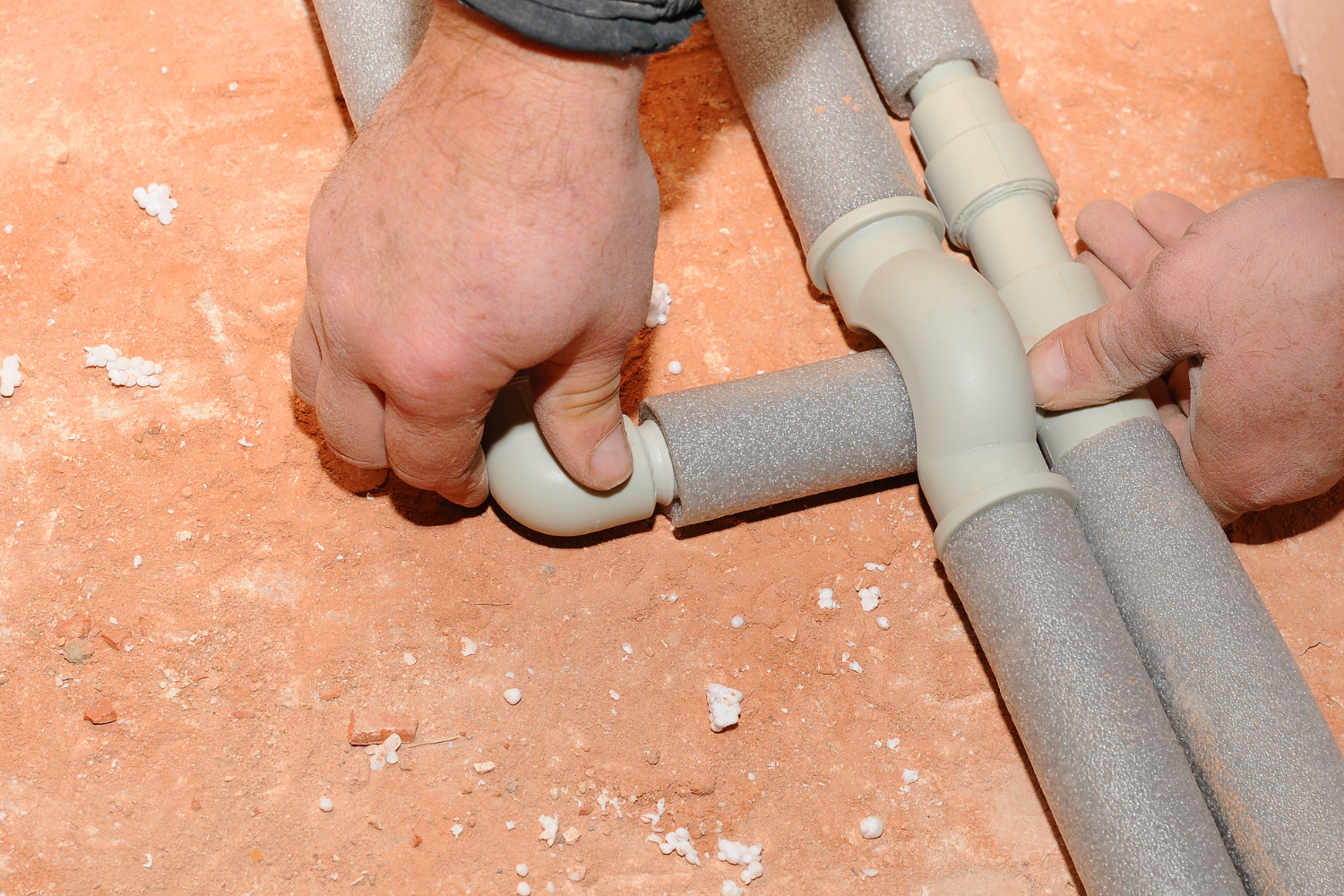
Insulating exposed pipes is one of the most effective strategies to avoid freezing or bursting.
Plumbing located in unheated spots like basements, garages, attics, or crawl spaces is
particularly at risk during cold weather. Pipe insulation sleeves, heat tape, or foam covers
are simple tools that go a long way in protecting your plumbing. Pay special attention to
pipes situated along outside walls or in areas prone to drafts. Preventing even one pipe from
freezing could save you thousands in emergency repair costs.
2. Shut Off and Drain Outdoor Fixtures
Your garden hose and outdoor taps may seem harmless, but they can create major
problems in winter. If water remains in exterior faucets or hose bibs, it can freeze and cause
interior pipes to rupture. Make sure to disconnect garden hoses ahead of the first frost and
empty any leftover water from outdoor taps. If your home has a shutoff valve for external
plumbing, turn it off and open the tap to let out any remaining water. Installing frost-free
faucets is a smart long-term solution that adds protection for years to come.
3. Check and Test Your Sump Pump
Your sump pump protects your basement from flooding due to melting snow or heavy winter
rain. To ensure it’s working properly, test it before winter hits. Pour a bucket of water into the
sump pit and verify that the pump activates and drains the water quickly. Also, examine the
discharge line to confirm it's not blocked or frozen, and that it directs water away from your
home. Using a battery backup system is a smart choice, particularly in regions where power
outages are common.
4. Seal Gaps Around Pipes and Openings
Cold air seeping in through cracks near pipes can cause them to freeze, even if the pipe
itself is indoors. Use caulking or spray foam to close up any gaps or cracks in areas like the
basement, garage, or utility room. This not only helps safeguard your plumbing from freezing
but also boosts energy efficiency, potentially lowering your heating costs.
5. Familiarize Yourself with the Main Water Shutoff Valve
If a pipe bursts, quickly shutting off your home's main water supply can greatly minimize the
damage. This valve is generally located close to the water meter, often in a basement or
utility room. Ensure every adult in your home knows its location and how to use it. In an
emergency, turning off the water promptly could make the difference between a small
inconvenience and a flooded home.
6. Call Local Plumbers for a Winter Inspection
While DIY efforts are helpful, having your plumbing system professionally inspected before
winter provides peace of mind. Local plumbers understand regional challenges and can
identify issues you might miss like slow drains, worn-out water heaters, or ageing sump
pumps. Scheduling a yearly plumbing checkup is a minor expense that can help you avoid
major issues in the future. Many companies offer winterization services that include pipe
wrapping, leak detection, and outdoor system checks.
7. Flush Your Water Heater
With the arrival of winter, your water heater will have to work harder than usual. Flushing the
tank helps clear out sediment that builds up over time, which improves efficiency and
extends the life of the unit. Make sure the water heater is set to the appropriate
temperature—usually around 55°C—to balance comfort, safety, and energy use. If your unit
is over 10 years old or shows signs of corrosion, consider consulting a plumber about
replacement options before winter sets in.
8. Install Smart Leak Detectors
Technology can help homeowners avoid winter plumbing disasters. Leak detection devices
are relatively affordable and easy to install near water heaters, sinks, toilets, or sump pumps.
These devices alert you via smartphone if a leak is detected. Certain high-tech systems are
capable of automatically turning off the water supply, providing extra peace of mind when
you're not home. Whether you're on a trip or just at the office, it's comforting to know your
property is being looked after.
9. Keep Heat Circulating in the Home
Even when you're away, maintain a minimum indoor temperature of at least 12°C to prevent
freezing. Keep the cupboard doors beneath sinks open to let warm air move around the
pipes, particularly those located along outside walls. If you’ll be away for a long time,
consider having a neighbour check in on your house occasionally. Catching a frozen pipe
early can make a big difference in preventing a costly repair.
Winter brings plenty of challenges, but a burst pipe doesn’t have to be one of them.
Implementing a few simple precautions now can help you steer clear of serious plumbing
issues in the future. From sealing cracks to checking your sump pump and scheduling a visit
from experienced local plumbers, the steps you take today will protect your home all winter
long. By preparing your plumbing system for freezing temperatures, you’re not only avoiding
emergencies you’re preserving the comfort, safety, and value of your home.